Source Windproof Cold Proof Ski Mask for Outdoor, Military, and Sport
Compare 30 windproof cold proof ski mask options from verified suppliers. These products feature polyester materials, medium thickness, and are designed for outdoor, military, and sport applications with customization available; compare the available evidence and request quotations based on your requirements.
Key considerations
Products List


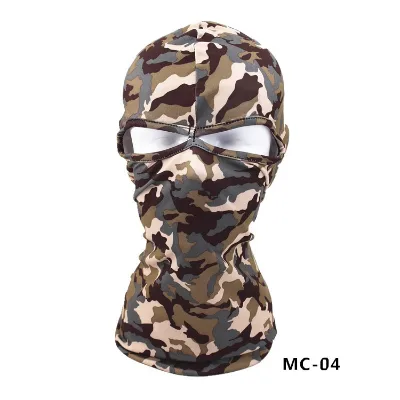
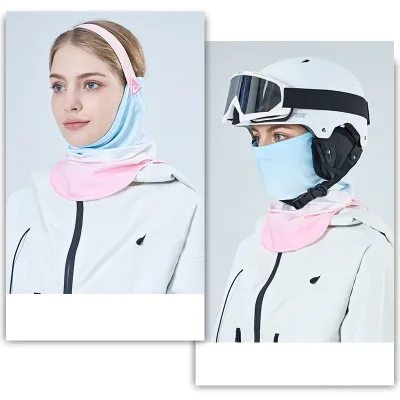

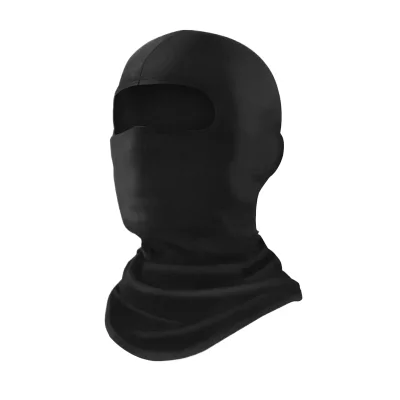


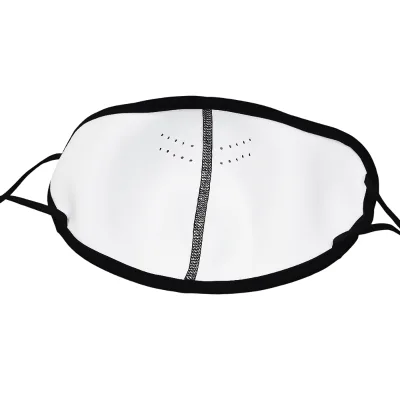
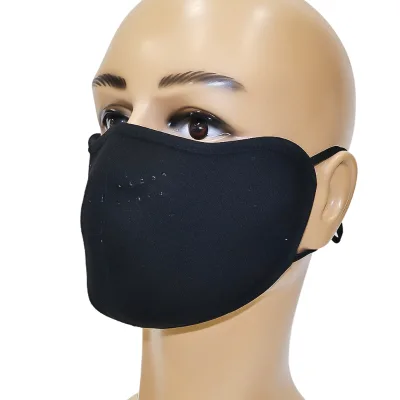
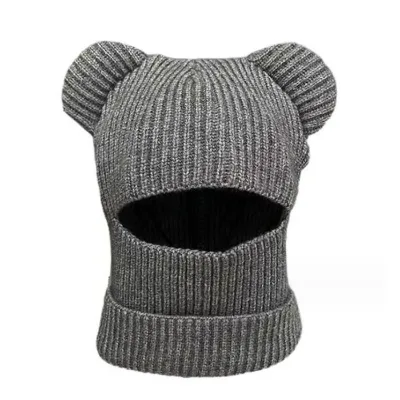
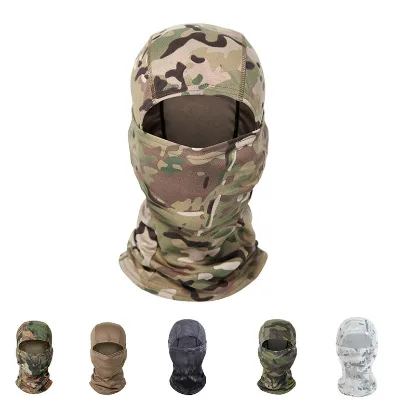
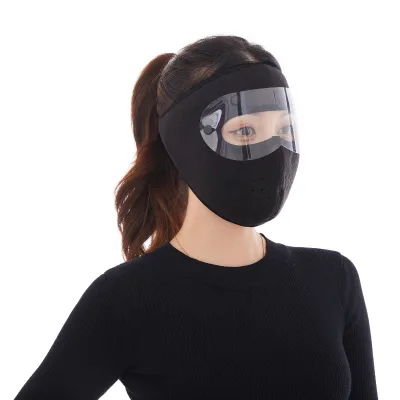
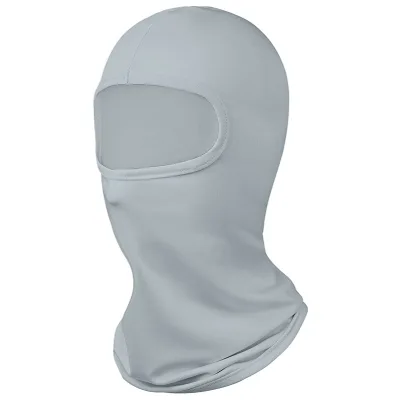
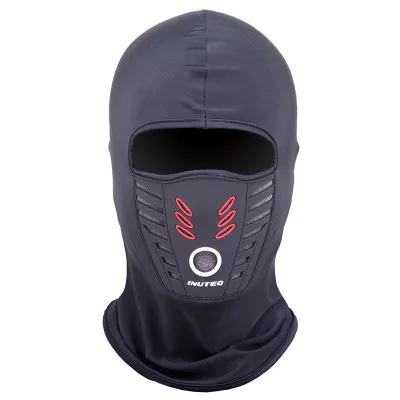


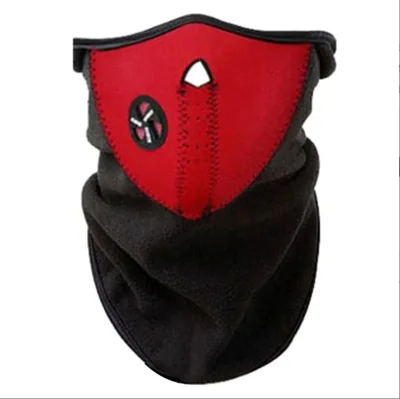
Comprehensive Sourcing Guide
Windproof Cold Proof Ski Mask Sourcing Guide
Procurement professionals must first distinguish between general outdoor headwear and specialized cold-weather protection when evaluating listings for windproof ski masks. The available market data indicates a diverse range of products, including items explicitly labeled as ski masks for snowboarding and general winter face masks suitable for both men and women. Buyers should verify that the specific product listing aligns with the intended use case, as some items are categorized broadly for leisure while others target military or high-intensity sport applications.
A critical initial step involves confirming the material composition and functional claims against the observed product attributes. The supply base frequently lists 100% polyester or generic polyester blends designed to provide warmth and windproofing capabilities. Sourcing teams must ensure that the selected item explicitly states its thermal properties, such as being warm and windproof, rather than relying on generic descriptions. This verification prevents the acquisition of standard headbands that lack the necessary insulation for extreme cold environments.
Product Scope and Observed Listing Signals
The current market landscape for windproof ski masks reveals significant variation in product dimensions and packaging standards that directly impact logistics planning. Listings show standard package sizes ranging from 30x30x30 cm to 38x32x33 cm, with some items packed in OPP bags while others utilize polybags or custom packaging solutions. Buyers must carefully review the single package size and gross weight, which can reach up to 2.000 kg per unit, to accurately calculate freight costs and warehouse storage requirements before placing orders.
Variability in product models and sizing standards further complicates the selection process, requiring precise alignment with target demographic needs. Observed data includes specific model numbers like FK0701 and JYG-SY9002, alongside size ranges from S to L and specific dimensions like 32x36 cm. Procurement specialists should cross-reference these model identifiers with the requested customization options, as some suppliers offer OEM services while others provide fixed designs. Ensuring the product matches the required style, such as sport or plain patterns, is essential for maintaining brand consistency in the final retail offering.
Technical Specifications to Verify
Technical due diligence must focus on the physical attributes that define the mask's performance in cold and windy conditions. Buyers should prioritize verifying the length specifications, as observed listings distinguish between medium-long and general-long variants, which affect coverage and protection levels. The thickness of the material is another critical factor, with medium thickness being a common observation that suggests a balance between insulation and breathability. Confirming these physical dimensions ensures the product will provide adequate coverage for the face and neck during high-exposure activities.
Material composition and functional features require strict validation to guarantee the product meets safety and comfort expectations. The supply data indicates a prevalence of 100% polyester materials, which are often selected for their durability and moisture-wicking properties. However, buyers must confirm that the specific listing explicitly claims windproof and warm characteristics, as these are the primary functional requirements for ski masks. Additionally, the feeling of the product, often described as comfortable, should be validated through sample testing to ensure it does not cause skin irritation during prolonged wear.
Compliance and Safety Documentation
While specific certification documents are not explicitly detailed in the provided product data, buyers must request evidence of compliance with relevant textile safety standards for the destination market. The origin locations, including Guangdong, Fujian, and Henan in China, suggest a manufacturing base that should adhere to international export regulations. Procurement teams should verify that the supplier can provide test reports for flammability, chemical content, and fiber content to ensure the polyester materials meet the safety requirements of the importing country.
Documentation regarding the product's intended use and age group is equally critical for liability management and market positioning. The observed data specifies that these products are intended for adults and are suitable for unisex usage, which simplifies some regulatory categorization but requires clear labeling. Buyers must ensure that the packaging and product tags accurately reflect the age group and gender specifications to avoid compliance issues with consumer protection laws. Furthermore, any claims regarding the product's suitability for military or specific sport usage must be substantiated by the manufacturer to prevent misleading advertising claims.
Cost Drivers and Commercial Terms
Pricing structures for windproof ski masks vary significantly based on customization levels, material quality, and order volume, with observed ranges spanning from 0.33 to 10.5 USD per unit. The minimum order quantity (MOQ) flexibility is a key cost driver, as some suppliers offer low MOQs starting at just one piece, while others may require orders up to 1000 units. Buyers should negotiate based on their specific volume needs, understanding that higher volumes often unlock better unit pricing but may increase the total capital commitment required upfront.
Lead times and sample availability are additional commercial factors that influence the overall cost of procurement and time-to-market. The observed delivery times can extend up to 30 working days, with sample production taking between 3 to 7 working days. These timelines must be factored into the supply chain planning to avoid stockouts or missed seasonal windows. Buyers should also clarify whether the reasonable price point includes custom packaging or if additional fees apply for branding and specialized packing requirements like polybags or custom designs.
Supplier Qualification and Quality Control
Supplier qualification should begin with a thorough review of the place of origin and the specific manufacturing capabilities indicated in the product listings. The data points to manufacturers located in major Chinese provinces such as Guangdong, Fujian, and Henan, which are known for their textile and apparel production expertise. Buyers must verify that the supplier has the capacity to handle the requested customization, including OEM services and specific branding, to ensure the final product meets the buyer's quality standards and design specifications.
Quality control protocols must be established to address the variability in product attributes observed across different listings. Since features like warmth and windproofing are claimed but not universally quantified in the provided data, buyers should implement a rigorous sampling process before full production. It is essential to test the physical properties of the material, such as the thickness and length, to ensure they match the specifications provided in the product description. Establishing clear acceptance criteria for the product's feeling and comfort is also necessary to maintain customer satisfaction and reduce return rates.
Long-Term Procurement Checks
Sustainable sourcing requires ongoing monitoring of supplier performance and product consistency over multiple order cycles. Buyers should track whether the observed attributes, such as the 100% polyester material and specific dimensions, remain consistent across different production batches. Regular audits of the manufacturing process in the identified origin locations can help ensure that quality control measures are maintained and that the supplier continues to meet the agreed-upon standards for warmth and windproofing.
Strategic relationship management involves evaluating the supplier's ability to adapt to changing market demands and seasonal requirements. The observed data shows a variety of models and styles, indicating a flexible supply base that can potentially support product line expansions. Procurement teams should maintain open communication channels to discuss future customization needs, such as new color options or packaging changes, ensuring that the supplier remains a reliable partner for long-term growth. Continuous feedback loops regarding product performance in the field will help refine specifications and improve the overall value proposition of the windproof ski mask line.
FAQs
What materials are used for the windproof cold proof ski mask?
The windproof cold proof ski mask is constructed from 100% polyester or standard polyester materials to ensure durability and warmth. This fabric choice provides a comfortable feel while maintaining the necessary windproof properties required for outdoor and military applications in winter conditions.
Which customization options are available for the ski mask?
Customization is available for the windproof cold proof ski mask, allowing buyers to request specific designs or branding. OEM services are acceptable, enabling clients to tailor the product to their needs while maintaining the standard features like warmth and windproofing for outdoor use.
How long is the delivery time for bulk orders of ski masks?
The standard delivery time for bulk orders of the windproof cold proof ski mask is 30 working days. This lead time applies to manufacturing and shipping, ensuring that the products meet quality standards before reaching the buyer for outdoor or leisure activities.
Can I order a single sample of the windproof cold proof ski mask?
Yes, you can order a single sample of the windproof cold proof ski mask with a minimum order quantity of one piece. Samples are typically prepared within 3 to 7 working days, allowing buyers to verify the quality and comfort before committing to larger purchases.
What are the standard packaging options for the ski mask?
The windproof cold proof ski mask is typically packed in OPP bags or polybags for standard shipping. Custom packaging options are also available, ensuring the product arrives safely while allowing buyers to choose between standard protection or branded packaging for their specific market needs.
Which sizes are available for the windproof cold proof ski mask?
The windproof cold proof ski mask is available in standard sizes including S, M, and L to fit various head shapes. Some models also feature specific dimensions like 32 by 36 cm or 38 by 32 by 33 cm, ensuring a proper fit for both men and women.
Where are the windproof cold proof ski masks manufactured?
The windproof cold proof ski masks are manufactured in various locations within China, including Guangdong Guangzhou, Fujian, and Henan. These origins ensure access to established supply chains while maintaining the quality and specifications required for winter sports and outdoor military applications.